Five Years of Watching Acrylic and Glass Tanks Age Side by Side: What Actually Happened
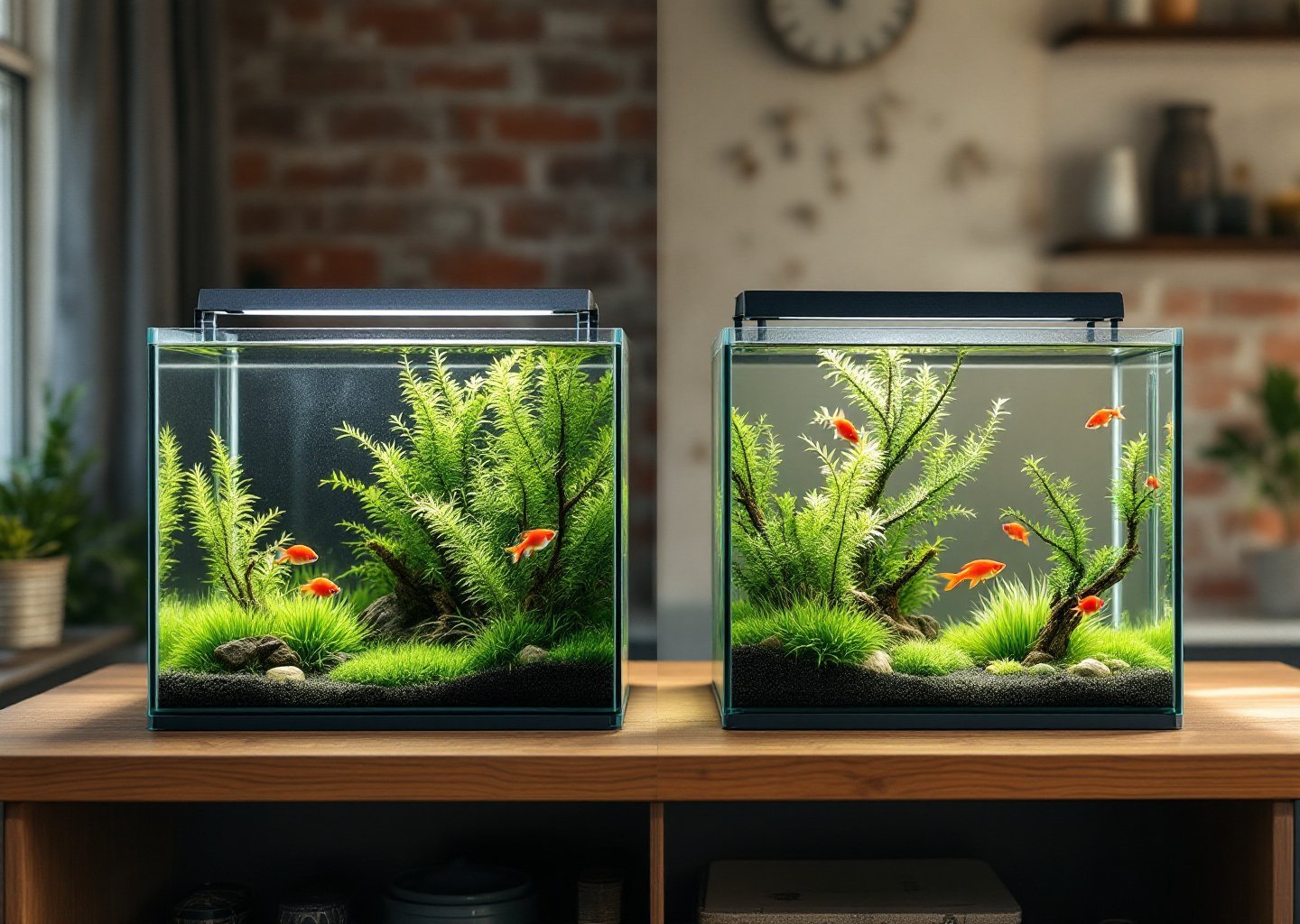
Five years ago, I got fed up watching people argue about acrylic vs. glass durability like it was some kind of religion. Forums were packed with opinions, half-truths, and dramatic warnings that never seemed to come with actual evidence. So I did something maybe a little obsessive. I bought two identical 10-gallon tanks, one acrylic and one glass, set them up side by side, and committed to a long-haul acrylic aquarium vs. glass durability comparison. I even created a monthly scratch log, which made my friends genuinely question whether I needed new hobbies. Maybe I did. But hey, now we’ve got real data.
You’ve probably heard all the usual lines if you’ve ever debated between acrylic and glass. Acrylic scratches if you so much as look at it wrong. Glass shatters. Acrylic yellows over time. Glass is way too heavy for apartments. Everyone swears their material is the best aquarium material for beginners, yet there’s surprisingly little long-term testing out there to back any of it up.
So I ran my own. Both tanks got treated the same way I treat any of my seven nano setups in my one-bedroom Portland apartment: planted scapes, regular maintenance, and (let’s be honest) a few innocent mistakes along the way. What did I find? Way more interesting stuff than I expected.
The Test Setup: Tank Specs, Identical Conditions, and Documentation Method
Both tanks were 10 gallons with the same footprint, same filter model, same LED light, and even the same aquascape layout. Here’s what I used:
- Spiderwood branches
- Rounded river stones
- Dwarf hairgrass carpet
- A small school of chili rasboras
Everything stayed matched as closely as humanly possible. Same water source, same fertilizers, same trimming schedule. My graphic design brain basically forced me to treat them like controlled variables. I couldn’t help myself.
For documentation, I did:
- Monthly scratch checks under raking light
- Clarity photos with a white background behind the tanks
- Yearly top-down images to track any bowing or structural changes
- Notes every single time I clumsily bumped, scraped, or dropped something
Only one thing differed: the material itself.
Scratch Resistance Reality: Monthly Scratch Logs with Photos, Acrylic’s Achilles Heel Examined
Look, I love acrylic for its sculptural quality. It feels like you’re aquascaping inside a floating bubble. But do acrylic tanks scratch easily? Yes. Yes, they absolutely do. And over time, those scratches add up in ways that are hard to ignore. Actually seeing the month-by-month data made it undeniable.
What Happened During Year One
In year one, the acrylic tank logged around a dozen visible scratches. Most were tiny, and none were catastrophic. Main culprits?
- My metal algae scraper (rookie mistake, I know)
- A piece of driftwood that slipped during planting
- Gravel trapped in a sponge filter intake
Meanwhile, the glass tank showed only one small scratch, and honestly, I’m still not convinced it wasn’t there from the beginning.
Years Two and Three
This period was when the acrylic tank started looking a little hazy when light hit it from the side. Not yellow, just… textured. Almost like someone had gently rubbed it with very fine sandpaper. Glass kept its crisp, clean look and honestly felt boring by comparison. But it definitely aged better.
Year Five Observations

By year five, the scratch map on the acrylic tank looked like a subway system diagram. Still beautiful when filled and viewed straight on, but pretty obvious in daylight or in photos. And the glass? Still had its one tiny scratch, plus a second micro one I added while moving hardscape around.
So yeah, acrylic loses this round hard in any acrylic aquarium vs. glass durability comparison. But here’s the thing: that isn’t the end of the story.
Clarity and Yellowing: Side-by-Side Photos at Years 1, 3, and 5
Everyone loves to warn you that acrylic yellows over time. In five years? I never saw actual yellowing, and trust me, I checked obsessively. What I did see was clarity differences.
Year One
Acrylic had that clean, curved display look that makes everything feel brighter. Colors looked slightly more saturated. My partner even said the rasboras looked “HD.” (Her words, not mine.)
Glass stayed predictably sharp. No surprises there.
Year Three
Acrylic still looked great when viewed front-on, but edge viewing showed a little distortion. Scratches caught the light, which made the tank seem cloudy even when the water was crystal clear.
Glass looked basically brand new. Zero distortion.
Year Five
No yellow tint showed up on the acrylic tank at all, but the clarity hit from scratches was noticeable. Plants still photographed beautifully when shooting straight through the front panel, but angled shots? Total no-go.
Glass remained almost unchanged. You could argue it became the more beautiful tank by default, simply because it stayed consistent.
So acrylic tank clarity over time is good, but superficial wear does affect real-world viewing more than you’d think.
Weight and Safety: The Apartment Factor, When Glass Becomes Genuinely Impractical
Living in a Portland apartment with old floors that creak if you breathe too aggressively sounds familiar, right? This is where lightweight aquarium options for apartments start looking very attractive.
My acrylic tank weighed about half of the glass one. This mattered way more than I expected:
- Moving it alone when rescaping was totally doable
- Carrying it for cleaning was painless
- Placing it on my thrifted mid-century stands felt safe (questionable structural integrity and all)
Glass felt like an anchor. Safe once placed, sure, but heavy enough that any movement became a whole project. Small apartment or dorm dweller? Lightweight aquarium options can genuinely influence your setup decisions, and your sanity.
Impact Resistance: The Accidental Drop Test Nobody Plans For
Okay, this wasn’t part of the original plan. But in year four, a filter lid slipped from my wet hands and dropped directly onto each tank on separate occasions. Filter lids seem harmless enough until they fall from shoulder height. Ask me how I know.
Acrylic Tank Result
The lid bounced right off. Not even a new scratch. Honestly? It impressed me.
Glass Tank Result
A small chip appeared on the rim. Not a leak, just annoying. Still, it reminded me why impact resistance counts more than we like to pretend.
So if you’re accident-prone like me, acrylic starts looking pretty forgiving.
The Verdict: Which Material Wins for Beginners, Renters, and Long-Term Hobbyists?
After five years of watching two tanks age side by side, here’s where I landed.
Beginners
Starting out? Acrylic is tempting, but I think glass still wins. Mistakes happen, and acrylic scratches at the slightest provocation. Even beginners with the best intentions will likely slip with a net or drag a stone during cleaning. A glass fish tank pros and cons breakdown almost always puts durability near the top, and that held true here.
Renters and Apartment Dwellers
Acrylic. No hesitation. Weight alone changes the game. Most lightweight aquarium options for apartments fall into the acrylic category for a reason.
Long-Term Hobbyists
Honestly? It’s a tie. Value clarity that stays pristine? Glass wins. Want impact resistance and sculptural aesthetics? Acrylic is a delight, even with scratches.
Which Aquarium Material Lasts Longer Overall?
Five years in, glass clearly aged better visually. Both remained structurally sound, but glass kept its appearance while acrylic showed its wear. So if your priority is appearance longevity, glass wins. But if durability means “survives more accidents,” acrylic pulls ahead.
Making this choice gets pretty easy when you ask yourself three questions:
- Do you move your tanks often or live in a place with questionable floors?
- Are you the type to accidentally scrape, bump, or drop things?
- Do minor scratches drive you absolutely wild?
Answer yes to the first two, and acrylic is your friend. Did the third one make you cringe? Go glass. In my own apartment, both materials still have a place, but when someone asks me for the best aquarium material for beginners at home, I usually point them toward rimless glass for its predictability.
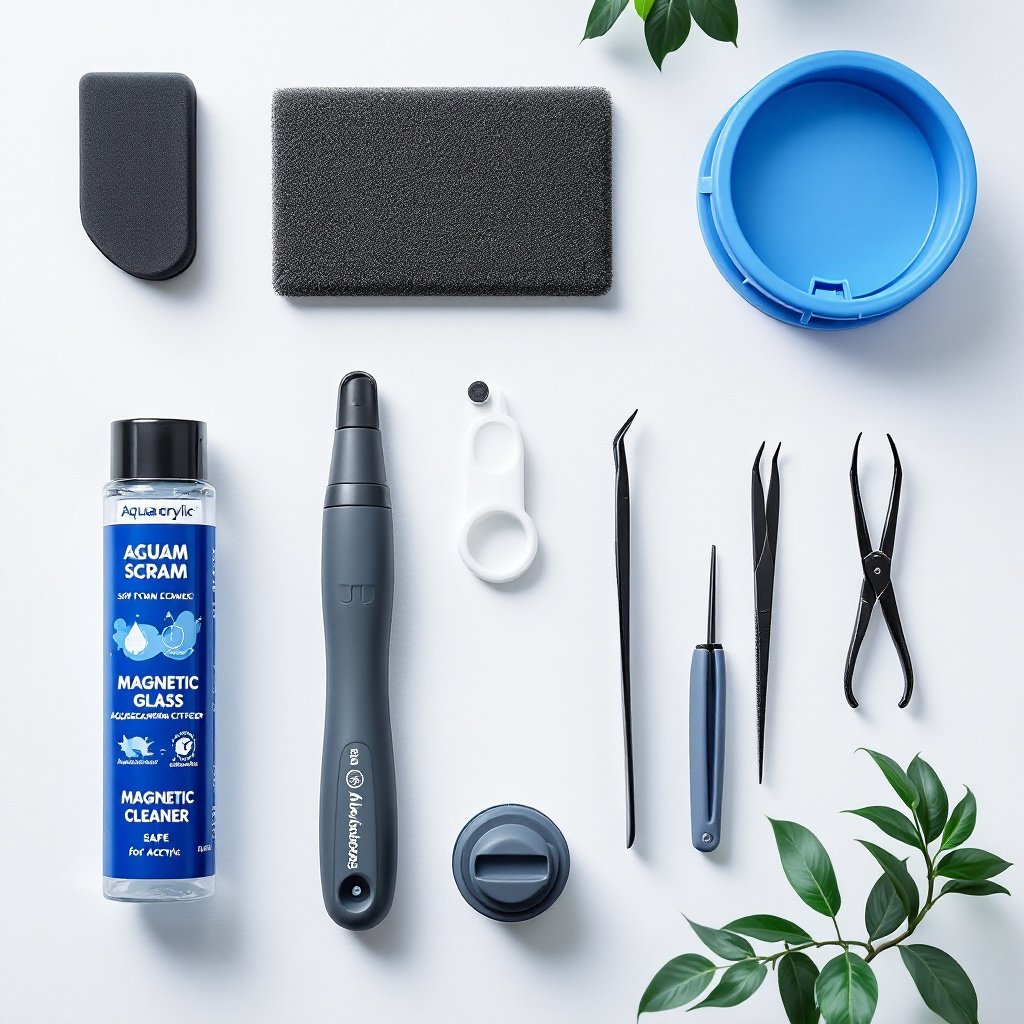
Want more? Deep dives are coming on nano stand stability aquarium stand stability, scratch removal kits acrylic scratch repair, and safe cleaning tools aquarium cleaning tools.